Sées - Petite Cité de Caractère
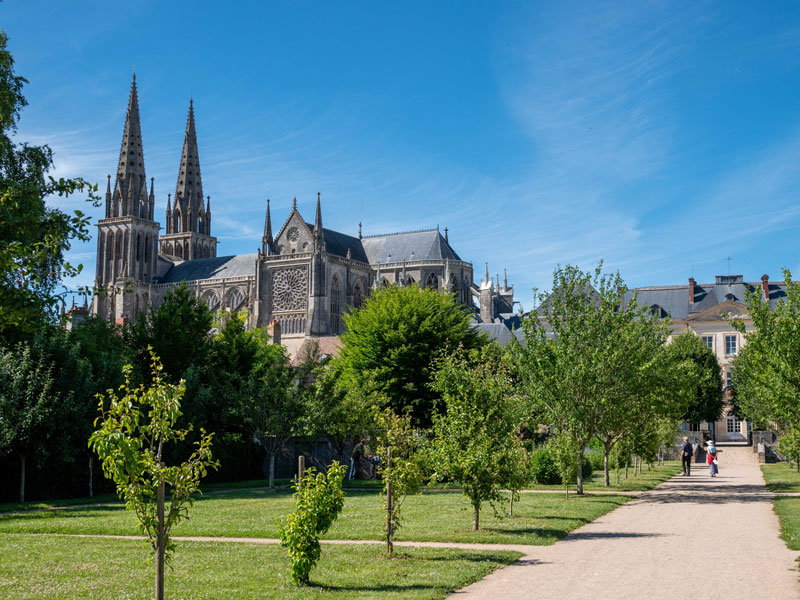
La commune de Sées est située au centre du département de l’Orne en bordure de la forêt d’Écouves et est positionnée sur la voie romaine (autrefois route de l’étain) qui mène du sud de l’Angleterre vers l’Espagne. L’Orne qui traverse la cité prend sa source à quelques kilomètres en amont à Aunou-sur-Orne.
Antique cité devenue cité épiscopale au Haut Moyen Âge.
Sées s’est construite autour de trois bourgs : Bourg l’Évêque autour de la cathédrale dès le Ve siècle et du palais épiscopal, Bourg Le Comte autour d’un château à motte féodale, et Bourg l’Abbé autour de l’abbaye Saint-Martin. Ces trois bourgs médiévaux ont été réunis au XVIIIe siècle pour créer une seule entité territoriale.
Sées reste marquée par son histoire mouvementée. Ce fût une cité prospère dans l’Antiquité, puis devint « cité épiscopale » vers 440 avec Saint-Latuin, son premier évêque. Sa cathédrale a connu quatre reconstructions au fil des temps. Très affaiblie par les invasions scandinaves du IXe siècle, la cité se restructure au Xe siècle autour de ses trois bourgs distincts.
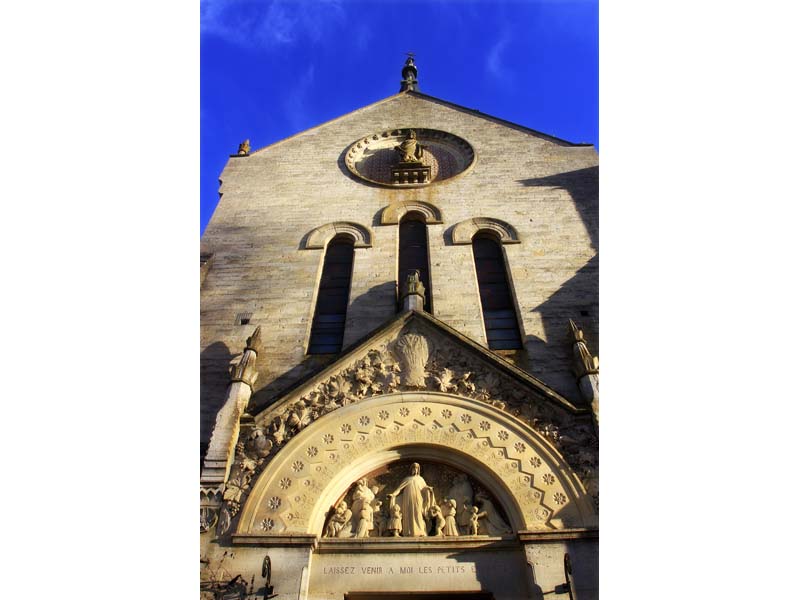
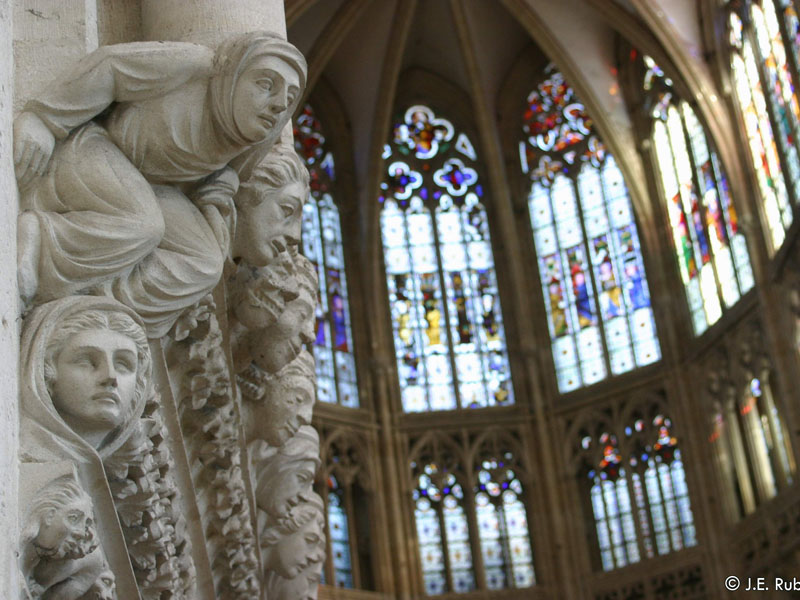
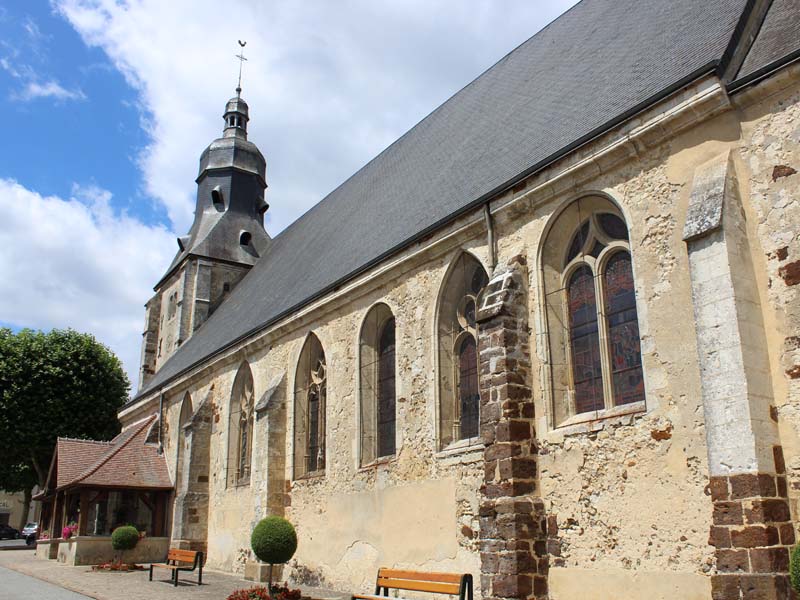
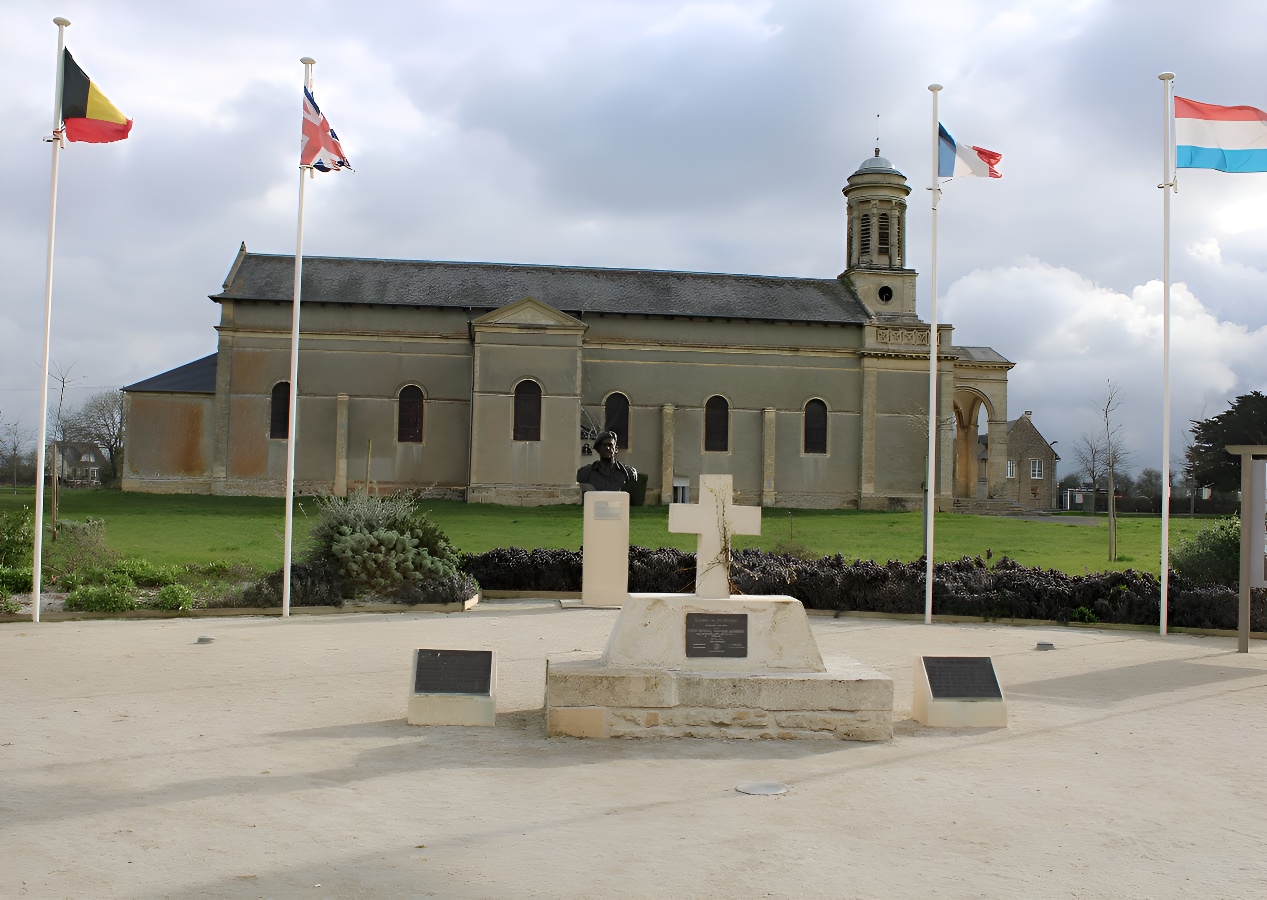
De son passé, Sées conserve un patrimoine religieux exceptionnel : la cathédrale (XIIIe - XIXe), la basilique de l’Immaculée Conception (XIXe), les vestiges de l’église Saint-Pierre (XIe), les vestiges de l’église Notre-Dame du Vivier et ses 3 murs qui restent témoignent d’une église romane du XIe, le palais d’Argentré (XVIIIe siècle : 1778), l’ancienne abbaye Saint-Martin (XVIIe siècle), la chapelle canoniale, l’église Saint-Joseph des Champs… mais aussi la motte féodale.
La ville a aussi servi d’écrin à plusieurs films à grand succès dont « Jeanne d’Arc » de Luc Besson, « Saint-Cyr » de Patricia Mazuy, « Madame Bovary » de Sophie Barthes, « Sade » de Benoît Jacquot.
Les incontournables
- La cathédrale gothique classée au titre de MH
- La basilique de l’Immaculée Conception MH
- Les jardins : le cours des fontaines, les jardins du palais d’Argentré
- L’Espace Culturel des Halles
- L’Hôtel de ville
- Le palais d’Argentré
- L’Hôtel Dieu
- L’église Saint-Pierre
- Motte castrale
- Le Pré humide
- La chapelle Saint-Joseph
The commune of Sées is located in the center of the Orne département, on the edge of the Écouves forest, on the Roman road (formerly the tin route) leading from southern England to Spain. The Orne River, which flows through the town, rises a few kilometers upstream at Aunou-sur-Orne.
An ancient city that became an episcopal see in the High Middle Ages.
Sées was built around three towns: Bourg l'Évêque, around the cathedral from the 5th century and the episcopal palace; Bourg Le Comte, around a castle with a feudal motte; and Bourg l'Abbé, around the abbey of Saint-Martin. These three medieval towns were reunited in the 18th century to create a single territorial entity.
Sées is still marked by its eventful history. It was a prosperous city in antiquity, then became an "episcopal city" around 440 with Saint-Latuin, its first bishop. Its cathedral has been rebuilt four times over the years. Severely weakened by the Scandinavian invasions of the 9th century, the town was restructured in the 10th century around its three distinct market towns.
From its past, Sées has preserved an exceptional religious heritage: the cathedral (13th-19th centuries), the Basilica of the Immaculate Conception (19th century), the remains of Saint-Pierre church (11th century), the remains of the church of Notre-Dame du Vivier and the remains of the Church of the Virgin Mary (11th century)notre-Dame du Vivier church and its 3 remaining walls, which bear witness to an 11th-century Romanesque church, the Argentré palace (18th century: 1778), the former Saint-Martin abbey (17th century), the canonical chapel, the Saint-Joseph des Champs church? and also the feudal motte.
The town has also been the setting for several blockbuster films, including Luc Besson's "Joan of Arc", Patricia Mazuy's "Saint-Cyr", Sophie Barthes's "Madame Bovary" and Benoît Jacquot's "Sade".
Not to be missed
- Gothic cathedral with French MH classification
- Basilica of the Immaculate Conception MH
- Gardens: Cours des Fontaines, Palais d?Argentré gardens
- Espace Culturel des Halles
- Town Hall
- Argentré Palace
- Hôtel Dieu
- Saint-Pierre church
- Motte castrale
- Le Pré humide
- Saint-Joseph chapel
Localisation & itinéraire
Informations pratiques
Mise à jour : 2026-10-01 00:00:00