 ORGA
ORGA
15OCT
Dans 4 jours Événement culturel
1 vues
Conférence : Le patrimoine rural des environs de Bricquebec
15 octobre 2026
18:30 - 20:00
Bricquebec-en-Cotentin 50260
Actions rapides
Partage, agenda, itinéraire…
Description
Dans le cadre des Journées de l’architecture 2026.
(ouverture dans un nouvel onglet), dont le thème est « Réhabiliter : bâtir l’avenir », le Pays d’art et d’histoire du Clos du Cotentin vous invite à une conférence consacrée au patrimoine rural des environs de Bricquebec, le jeudi 15 octobre à 18h30, dans la salle du conseil de la mairie à Bricquebec.
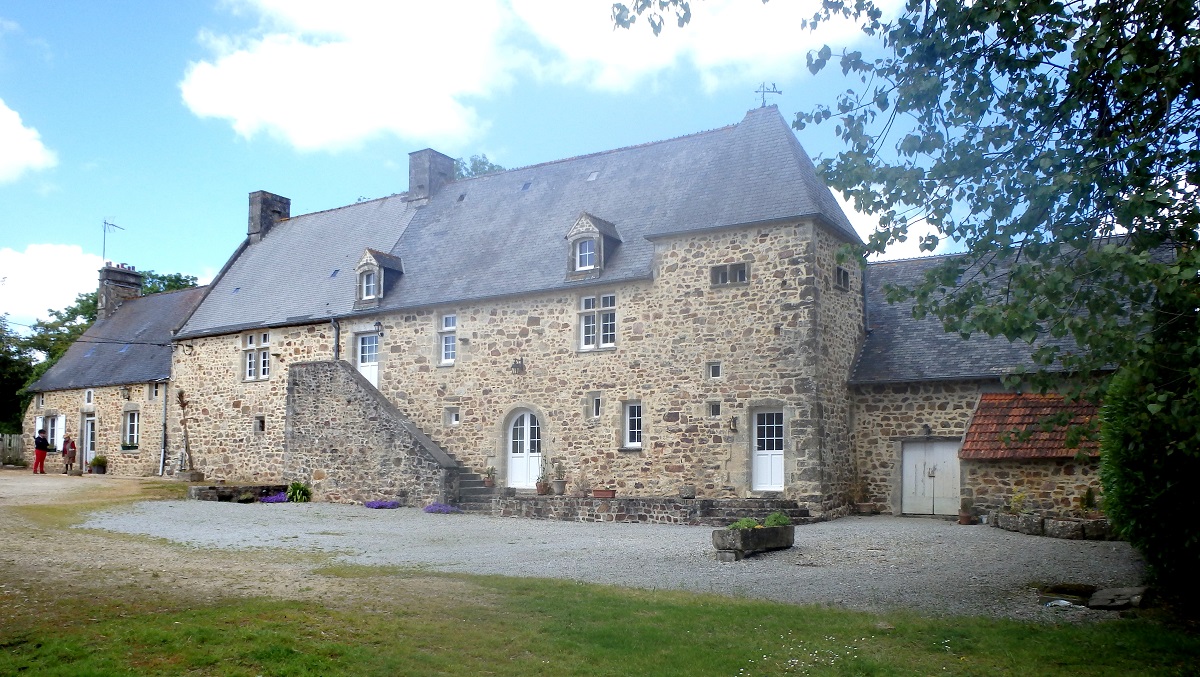
Cette conférence a pour objectif de présenter l’ensemble du patrimoine bâti de l’ancien canton de Bricquebec, exclusivement composé de communes rurales. L’activité agricole d’autrefois, qui associait la culture des céréales à des élevages variés, y a généré la construction d’un grand nombre de fermes dotées de charreterie, écuries, étables, granges, pressoirs…
Les manoirs, qui jalonnent aussi l’ensemble du territoire, conservent des éléments architecturaux remarquables, en particulier d’imposants logis seigneuriaux datant principalement des XVIe et XVIIe siècles. Le gros-œuvre du bâti du territoire, essentiellement maçonné en grès local, reflète la nature du sous-sol et apporte une certaine homogénéité à ce patrimoine vernaculaire.
Cette conférence, richement illustrée, sera aussi l’occasion de présenter d’autres typologies d’édifices : mairies, écoles, habitat, bâtiments liés aux activités artisanales, four à chaux, lavoir…
(ouverture dans un nouvel onglet), dont le thème est « Réhabiliter : bâtir l’avenir », le Pays d’art et d’histoire du Clos du Cotentin vous invite à une conférence consacrée au patrimoine rural des environs de Bricquebec, le jeudi 15 octobre à 18h30, dans la salle du conseil de la mairie à Bricquebec.
Cette conférence a pour objectif de présenter l’ensemble du patrimoine bâti de l’ancien canton de Bricquebec, exclusivement composé de communes rurales. L’activité agricole d’autrefois, qui associait la culture des céréales à des élevages variés, y a généré la construction d’un grand nombre de fermes dotées de charreterie, écuries, étables, granges, pressoirs…
Les manoirs, qui jalonnent aussi l’ensemble du territoire, conservent des éléments architecturaux remarquables, en particulier d’imposants logis seigneuriaux datant principalement des XVIe et XVIIe siècles. Le gros-œuvre du bâti du territoire, essentiellement maçonné en grès local, reflète la nature du sous-sol et apporte une certaine homogénéité à ce patrimoine vernaculaire.
Cette conférence, richement illustrée, sera aussi l’occasion de présenter d’autres typologies d’édifices : mairies, écoles, habitat, bâtiments liés aux activités artisanales, four à chaux, lavoir…
As part of the 2026 Architecture Days.
(opens in a new tab), whose theme is “Rehabilitate: Building the Future,” the Clos du Cotentin Region of Art and History invites you to a lecture dedicatedto the rural heritage of the Bricquebec area, on Thursday, October 15, at 6:30 p.m., in the council chamber of the Bricquebec town hall.
The purpose of this lecture is to present the entire built heritage of the former canton of Bricquebec, which consists exclusively of rural communities. Agricultural activity in the past, which combined grain farming with various types of livestock raising, led to the construction of a large number of farms equipped with cart sheds, stables, barns, and wine presses.
The manor houses, which are also scattered throughout the region, retain remarkable architectural features, particularly imposing seigneurial residences dating mainly from the 16th and 17th centuries. The structural framework of the region’s buildings, primarily constructed of local sandstone, reflects the nature of the subsoil and lends a certain uniformity to this vernacular heritage.
This richly illustrated lecture will also provide an opportunity to present other types of buildings: town halls, schools, residential buildings, structures related to artisanal activities, lime kilns, washhouses, and more.
(opens in a new tab), whose theme is “Rehabilitate: Building the Future,” the Clos du Cotentin Region of Art and History invites you to a lecture dedicatedto the rural heritage of the Bricquebec area, on Thursday, October 15, at 6:30 p.m., in the council chamber of the Bricquebec town hall.
The purpose of this lecture is to present the entire built heritage of the former canton of Bricquebec, which consists exclusively of rural communities. Agricultural activity in the past, which combined grain farming with various types of livestock raising, led to the construction of a large number of farms equipped with cart sheds, stables, barns, and wine presses.
The manor houses, which are also scattered throughout the region, retain remarkable architectural features, particularly imposing seigneurial residences dating mainly from the 16th and 17th centuries. The structural framework of the region’s buildings, primarily constructed of local sandstone, reflects the nature of the subsoil and lends a certain uniformity to this vernacular heritage.
This richly illustrated lecture will also provide an opportunity to present other types of buildings: town halls, schools, residential buildings, structures related to artisanal activities, lime kilns, washhouses, and more.
Infos pratiques
Adresse : Bricquebec, Bricquebec-en-Cotentin 50260
Type :CultureLieu d’intérêtLoisirsConferenceEvent
Organisé par : Attitude Manche
Contact & réservation
Téléphone : +33 2 33 95 01 26
Site officiel : lecotentin.fr/mes-incontournables/pays-dart-et-dhistoire/
Carte
Fiche mise à jour le 7 octobre 2026